MBA Program For Working Adults Unlocking Your Future
MBA Program For Working Adults is designed for those balancing the demands of a full-time job while seeking to advance their careers through higher education. These programs are tailored to fit the busy schedules of working professionals, offering a flexible structure that allows you to learn while you earn. The significance of pursuing an MBA during your career journey cannot be overstated, as it not only enhances your skill set but also opens new doors for career advancement.
With various formats available, including online, part-time, and executive programs, you can choose a path that best suits your lifestyle. The benefits of obtaining an MBA while working are plentiful, from the potential for salary increases to the invaluable networking opportunities that arise throughout your studies. This journey is about more than just earning a degree; it’s about transforming your career and personal growth.
Overview of MBA Programs for Working Adults: MBA Program For Working Adults
MBA programs tailored for working adults have gained immense popularity due to their ability to accommodate the busy schedules of professionals. These programs are designed to enhance career prospects and provide advanced skills necessary for leadership roles while maintaining full-time employment. The significance of these programs lies in their flexibility, allowing individuals to balance work, study, and personal commitments effectively.The typical structure of an MBA program for working adults often includes evening, weekend, or online classes, which are structured to fit into the hectic lives of professionals.
Many programs also offer part-time enrollment options, allowing students to progress at their own pace. Classes usually cover core business disciplines such as finance, marketing, operations, and leadership, culminating in projects and case studies that encourage real-world application of learned theories.
Benefits of Obtaining an MBA While Continuing to Work
Pursuing an MBA while working provides numerous advantages that can significantly impact both professional and personal development. These benefits can enhance an individual’s career trajectory, skill set, and networking opportunities:
- Career Advancement: An MBA can open doors to higher-level management positions. Many companies prefer or require candidates for leadership roles to possess an MBA, making it a valuable asset in the competitive job market.
- Skill Development: Enrolling in an MBA program helps cultivate essential skills such as strategic thinking, problem-solving, and effective communication, which are crucial in high-stakes business environments.
- Networking Opportunities: MBA programs provide access to a network of professionals and alumni, fostering connections that can lead to mentorships, partnerships, and job opportunities.
- Practical Application: Working professionals can immediately apply what they learn in the classroom to their job roles, reinforcing their learning through real-world experience.
- Increased Earning Potential: Graduates of MBA programs often see a significant increase in their salaries, as advanced qualifications tend to correlate with higher compensation packages.
“An MBA is not just about gaining knowledge; it’s an investment into your future and a catalyst for career advancement.”
The integration of work and study can also foster resilience and time management skills, essential traits for any successful leader. Overall, MBA programs for working adults serve as a vital tool for those aiming to elevate their careers without sacrificing their current professional commitments.
Types of MBA Programs Available

Source: mbastack.org
MBA programs designed for working adults come in various formats, catering to diverse professional and personal needs. Each type of program offers unique benefits and challenges, allowing students to choose the one that best aligns with their career goals and lifestyle.Understanding the differences between these formats is essential for prospective students. The primary types of MBA programs include online, part-time, executive, and hybrid formats.
Each offers distinct features in terms of flexibility and workload, catering to professionals who are navigating both career and academic commitments.
Online MBA Programs
Online MBA programs are designed for maximum flexibility, allowing students to access course materials and participate in classes from anywhere with an internet connection. This format is particularly appealing to those with demanding work schedules or personal commitments.Pros of Online MBA Programs:
- Flexibility to study at your own pace and schedule.
- No geographical constraints, enabling students to enroll in programs from prestigious universities worldwide.
- Often lower tuition costs compared to traditional programs.
Cons of Online MBA Programs:
- Limited face-to-face interaction with faculty and peers, which may affect networking opportunities.
- Self-discipline is crucial; the lack of a structured environment can be challenging for some students.
- Potential difficulties with hands-on learning experiences.
Part-Time MBA Programs
Part-time MBA programs are structured to accommodate working professionals who wish to continue their employment while pursuing their degree. Classes are typically held during evenings or weekends.Pros of Part-Time MBA Programs:
- Allows students to integrate their learning with real-world applications in their current jobs.
- Opportunities for networking with other professionals in a similar situation.
- Balancing work and study can enhance time management skills.
Cons of Part-Time MBA Programs:
- Longer time commitment to complete the degree, often taking three to four years.
- Work-life balance may still be challenging, depending on personal and professional responsibilities.
- Possibly less intensive or focused learning compared to full-time options.
Executive MBA Programs, MBA Program For Working Adults
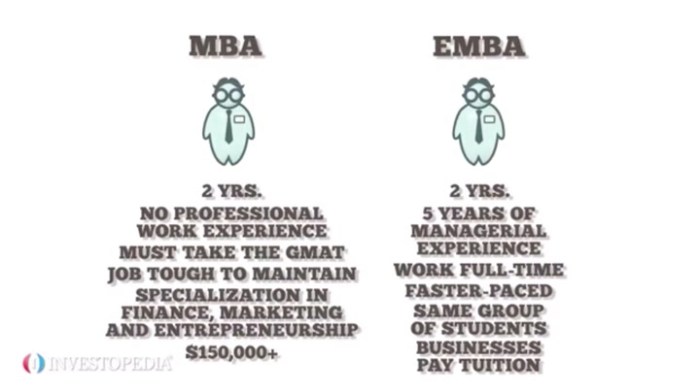
Executive MBA (EMBA) programs cater to seasoned professionals and executives who desire to enhance their leadership skills and strategic thinking. These programs are often shorter in duration and more intensive, focusing on advanced business concepts.Pros of Executive MBA Programs:
- Designed for experienced professionals, fostering a collaborative learning environment.
- Immediate application of learning to current job roles enhances retention and relevance.
- Networking opportunities with high-level peers can lead to future collaborations.
Cons of Executive MBA Programs:
- Higher tuition costs due to the targeted curriculum and exclusive networking opportunities.
- Time-intensive, requiring a significant commitment alongside a demanding job.
- Less flexibility in terms of course scheduling compared to online or part-time programs.
Hybrid MBA Programs
Hybrid MBA programs combine online learning with in-person sessions, providing a balanced approach to education. This format allows students to benefit from the flexibility of online courses while also engaging in valuable face-to-face interactions.Benefits of Hybrid MBA Programs:
- Flexibility of online courses paired with the richness of in-person collaboration.
- Opportunities to build strong relationships with peers and faculty during on-campus sessions.
- Enhanced learning experience through diverse teaching methods.
Challenges of Hybrid MBA Programs:
- Requires careful scheduling to balance online and in-person commitments.
- Travel may be necessary for on-campus sessions, potentially increasing costs.
- Self-motivation is important to manage the online components effectively.
In summary, selecting the right MBA program involves weighing the pros and cons of each format against your personal and professional circumstances. Understanding the characteristics of online, part-time, executive, and hybrid programs will empower working adults to make informed decisions tailored to their unique needs.
Admission Requirements and Application Process
Enrolling in an MBA program as a working adult is a significant step towards advancing your career. Understanding the admission requirements and application process is essential to make this transition smoother and more successful. Each program has specific criteria, but there are common prerequisites that potential students should prepare for.Most MBA programs require candidates to have completed a bachelor’s degree from an accredited institution.
Additionally, relevant work experience is often a preferred criterion, as it enriches classroom discussions and group projects. Admissions teams look for candidates who can demonstrate leadership potential, career progression, and commitment to professional development.
Common Prerequisites for Enrolling in an MBA Program
Before applying, it is crucial to gather necessary documents and understand the overall admissions landscape. Here are some common prerequisites for enrolling in an MBA program:
- Completed Application Form: Most schools will have an online application portal.
- Bachelor’s Degree: An accredited undergraduate degree is mandatory.
- Professional Experience: Typically, 2-5 years of work experience is preferred.
- Letters of Recommendation: Usually, two or three recommendations from professionals who can vouch for your abilities.
- Resume: A current resume showcasing your professional journey and achievements.
- Essays: Personal statements or essays that reflect your goals and why you wish to pursue an MBA.
Step-by-Step Guide for Preparing Application Materials
Preparing your application materials is a crucial part of the admissions process. Each component plays a critical role in presenting a complete picture of you as a candidate. Here’s a step-by-step guide to preparing your application materials:
- Resume Preparation: Update your resume to include your most recent work experience, highlighting achievements and leadership roles. Ensure that it is tailored to reflect skills relevant to an MBA.
- Crafting Essays: Write compelling essays that Artikel your career goals, reasons for pursuing an MBA, and how the program aligns with your aspirations. Personal anecdotes can add depth.
- Gathering Recommendations: Approach colleagues or supervisors who know your work ethic and strengths. Provide them with context about the MBA program and your goals to help them write more impactful recommendations.
- Document Review: Proofread all materials thoroughly to eliminate errors. Consider seeking feedback from trusted peers or mentors.
Entrance Exams and Their Role in the Admission Process
Entrance exams like the GMAT or GRE are often a requirement for MBA programs. These standardized tests assess your analytical writing, quantitative skills, and verbal reasoning abilities, which are essential for success in graduate-level business education.While some programs may offer waivers based on professional experience or prior advanced degrees, many still consider test scores as a vital part of your application.
Here’s how entrance exams fit into the overall admission process:
- Assessment of Skills: They provide a standardized measure of academic preparedness and potential for success in an MBA program.
- Competitive Edge: High scores can enhance your application, demonstrating your capability and seriousness about the program.
- Preparation Resources: Many candidates take preparatory courses or practice tests to improve their scores, which can significantly impact their admission chances.
Financial Considerations

Source: mba-edu.uk
Pursuing an MBA as a working adult often brings about financial questions and considerations. Understanding the various funding options, tuition costs, and potential return on investment (ROI) is crucial for making informed decisions. This section delves into these financial aspects to help prospective students navigate their educational journey.
Funding Options for MBA Programs
When considering an MBA, it’s essential to explore various funding avenues that can help alleviate financial burdens. Here are some common options available:
- Employer Sponsorship: Many companies offer financial support for employees pursuing further education. This could range from full tuition coverage to partial scholarships, depending on the organization’s policies and the relevance of the MBA to the employee’s role.
- Student Loans: Federal and private student loans are standard funding methods. Federal loans typically have lower interest rates and more forgiving payback terms compared to private loans.
- Scholarships and Grants: Numerous institutions provide scholarships based on merit, need, or specific demographics. These funds do not require repayment and can significantly reduce overall costs.
- Payment Plans: Some schools offer flexible payment plans, allowing students to pay tuition in installments rather than a lump sum, easing financial pressure during the program.
Tuition Costs Comparison
Understanding the cost of an MBA program across various institutions is vital when budgeting. Below is a comparison table showcasing the tuition costs for a selection of institutions offering MBA programs for working adults:
| Institution | Tuition Cost (Approx.) |
|---|---|
| University A | $60,000 |
| University B | $45,000 |
| University C | $80,000 |
| University D | $55,000 |
| University E | $50,000 |
Return on Investment for an MBA
The ROI for obtaining an MBA often manifests in increased salary potential and enhanced career opportunities. Here are some key factors highlighting the potential benefits:
- Salary Increase: Graduates from MBA programs typically see a significant salary boost. For instance, according to data from the Graduate Management Admission Council, MBA graduates can expect an average salary increase of 50% compared to their pre-MBA income.
- Career Advancement: An MBA can open doors to higher-level positions, often resulting in roles such as department heads, senior managers, or executive positions that might not be accessible without an advanced degree.
- Networking Opportunities: MBA programs often provide access to a vast network of alumni and industry connections, which can lead to job placements, partnerships, and mentorship opportunities that enhance career trajectories.
“Investing in an MBA can yield substantial long-term financial benefits, with graduates frequently achieving salaries that reflect their advanced skill set and knowledge.”
Balancing Work, Study, and Personal Life
Navigating the challenges of an MBA program while managing a career and personal commitments can be daunting. However, with the right strategies and support, it is entirely feasible to find a harmonious balance. This section delves into effective time management techniques, the significance of a strong support system, and tips for maintaining mental wellness throughout this journey.
Time Management Strategies
Successfully juggling work, study, and personal responsibilities requires a proactive approach to time management. Here are several strategies that can help create a balanced routine:
- Prioritize Tasks: Identify urgent and important tasks each week. Use a planner or digital calendar to allocate specific time slots for study sessions, work responsibilities, and personal activities.
- Set Clear Goals: Establish measurable goals for both your studies and your work projects. This clarity helps in focusing your efforts and tracking your progress.
- Establish a Routine: Create a daily schedule that accommodates your work hours, study time, and personal commitments. Sticking to a consistent routine fosters discipline and productivity.
- Utilize Breaks Effectively: Make the most of short breaks during work. Even brief moments can be used for reviewing notes or completing small assignments, contributing to your overall progress.
- Limit Distractions: Identify and minimize distractions in your environment. This can mean creating a quiet study space or setting specific times to check your phone and emails.
Importance of Support Systems
Building a solid support network is crucial during the MBA journey. Support from family, friends, and colleagues can make a significant difference in managing stress and staying motivated.
- Family Support: Engage your family in your academic goals; their understanding can relieve pressure and provide encouragement during challenging times.
- Colleagues’ Understanding: Share your educational pursuits with colleagues. Their support can lead to more flexible work arrangements or collaborative opportunities.
- Networking with Peers: Connect with fellow MBA students. Forming study groups not only enhances learning but also creates a communal support system where experiences and challenges are shared.
- Professional Guidance: Seek mentorship from professionals who have successfully navigated similar paths. Their insights can provide valuable perspective and motivation.
Mental Health and Burnout Prevention
Maintaining mental health is paramount while pursuing an MBA alongside work. Prioritizing self-care and implementing smart practices can help avoid burnout.
- Regular Exercise: Engaging in physical activity helps relieve stress. Aim for at least 30 minutes of exercise most days of the week to enhance both physical and mental health.
- Mindfulness Practices: Incorporating mindfulness techniques such as meditation or deep-breathing exercises can foster relaxation and improve focus.
- Quality Sleep: Prioritize sleep as it is essential for cognitive function and overall well-being. Aim for 7-9 hours of restful sleep each night to recharge.
- Seek Help When Needed: Recognize when you feel overwhelmed. Don’t hesitate to reach out to mental health professionals or counseling services provided by many educational institutions.
Networking Opportunities
Networking is an essential aspect of any Master of Business Administration (MBA) program, especially for working adults who are balancing their studies with professional responsibilities. The significance of networking extends beyond simply making connections; it involves building relationships that can lead to career advancement, mentorship opportunities, and collaborative projects. Engaging with peers, faculty, and industry professionals can provide invaluable insights and access to resources that enrich the MBA experience and foster long-term professional growth.Networking is not just an incidental part of the MBA journey; it is a structured element woven into the fabric of the program.
Here are some key networking events and opportunities available to MBA students:
Key Networking Events and Opportunities
Participation in various networking events is crucial for establishing meaningful connections within the business community. These events often serve as platforms for sharing knowledge, experiences, and career opportunities. Engaging in these activities can significantly enhance your professional network. Important networking opportunities include:
- Career Fairs: These events attract employers from diverse industries seeking to connect with potential hires. They provide a chance to meet recruiters face-to-face, making a strong first impression.
- Industry Conferences: Attending conferences tailored to your specific field can introduce you to thought leaders and industry trends, while also providing networking opportunities with peers.
- Workshops and Seminars: These events often feature guest speakers who are experts in their fields. Participating allows you to learn and connect with influential professionals.
- Networking Mixers: Informal gatherings organized by the program or student associations provide a relaxed atmosphere to meet fellow students, alumni, and industry professionals.
- Guest Lecture Series: Programs often host guest lectures by notable alumni or industry leaders, offering you the chance to engage directly with them during Q&A sessions.
Role of Alumni Networks and Professional Associations
Alumni networks and professional associations play a critical role in enhancing career growth for MBA graduates. These networks not only provide a platform for ongoing connections with former classmates but also extend opportunities for mentorship and professional development.Alumni networks are typically characterized by their established frameworks, which include:
- Mentorship Programs: Many alumni networks facilitate mentorship programs that pair current students with seasoned professionals, providing guidance and insight into navigating the business landscape.
- Job Boards: Exclusive job listings and career resources are often shared within alumni networks, giving members access to opportunities that may not be publicly advertised.
- Networking Events: Alumni associations frequently organize events that bring together graduates from various cohorts, fostering an environment of support and collaboration.
- Continuing Education: Many associations offer workshops and courses that allow alumni to enhance their skills, stay updated on industry trends, and connect with other professionals.
“Networking is not just about connecting with people; it’s about building relationships that add real value to your career journey.”
Engaging in these networking opportunities and leveraging alumni connections can significantly impact career trajectories, facilitate job placements, and foster collaborations that yield innovative ideas and solutions. By actively participating in these networks, MBA students can position themselves for success in an increasingly competitive job market.
Career Development and Advancement

Source: studies-overseas.com
An MBA program is a transformative experience that can significantly enhance career prospects for working adults. With the knowledge gained, individuals are equipped to tackle complex challenges, lead teams effectively, and make informed strategic decisions. The skills acquired through an MBA not only help in climbing the corporate ladder but also in transitioning to new roles or even industries. The real-world application of MBA education is evident in the success stories of many professionals who have undergone this journey.
For instance, consider Sarah, a marketing manager who leveraged her MBA to shift into a senior leadership role within her company. Her understanding of business fundamentals, coupled with her enhanced leadership skills, allowed her to spearhead critical projects that drove company growth and innovation. Similarly, Mark, an IT specialist, found himself transitioning into a business analyst position after completing his MBA, where he was able to combine his technical skills with a strategic outlook, ultimately increasing his value to the organization.
Framework for Setting Career Goals Based on MBA Education
Establishing clear career goals is essential for maximizing the benefits of an MBA program. A structured framework can help working adults align their academic pursuits with their career aspirations.
1. Self-Assessment
Understanding personal strengths, weaknesses, and interests is crucial. Take time to evaluate what aspects of your current role you enjoy and where you see potential for growth.
2. Research and Networking
Leverage networking opportunities provided by the MBA program. Connect with alumni and industry professionals to understand market trends and potential career paths.
3. Setting SMART Goals
Formulate Specific, Measurable, Achievable, Relevant, and Time-bound goals. For instance, aiming for a promotion within two years post-MBA completion provides a clear target.
4. Skill Development
Identify key skills that are essential for your desired career trajectory. Focus on acquiring these skills through coursework, workshops, and practical experiences during the MBA.
5. Action Plan
Develop a roadmap detailing the steps necessary to achieve your career goals. This could include seeking mentorship, internships, or additional certifications.
6. Regular Evaluation
Periodically review and adjust your goals based on changing interests and market dynamics. Stay flexible to adapt to new opportunities that may arise.By following this framework, working adults can effectively navigate their career development journey, ensuring that their MBA experience aligns with their professional ambitions and leads to meaningful advancement.
Ending Remarks
In conclusion, the MBA Program For Working Adults offers a unique opportunity to balance professional and academic ambitions seamlessly. By equipping yourself with the knowledge and skills gained through these specialized programs, you are not only investing in your education but also in your future career prospects. As you embark on this journey, remember that with determination and the right support system, success is within reach.
FAQ Resource
What are the typical costs associated with an MBA Program For Working Adults?
Costs can vary significantly but generally include tuition, books, and fees. Many programs offer financial aid options to help manage expenses.
How long does it take to complete an MBA as a working adult?
This typically ranges from one to three years, depending on the program format and your course load.
Can I pursue an MBA online while working full-time?
Yes, many online MBA programs are specifically designed for working adults, offering flexibility to study at your own pace.
Are there opportunities for scholarships for working adults?
Yes, many institutions offer scholarships targeted at working professionals, so it’s worth researching options when applying.
How important are networking opportunities in an MBA program?
Networking is crucial as it can lead to job opportunities, mentorship, and professional growth, making it an essential component of your MBA experience.