MBA Program Overview A Deep Dive into Essentials
MBA Program Overview invites you into a world where business acumen meets innovative learning. Whether you’re a budding entrepreneur or an established professional seeking to advance your career, getting the lowdown on an MBA program is crucial. This overview not only delves into the structure, requirements, and specializations of MBA programs but also emphasizes the rich networking opportunities and international exposure that can elevate your educational journey.
Exploring core and elective courses, understanding admission prerequisites, and recognizing the skills you’ll acquire are just the beginning. You’ll also learn about various specializations and how they can shape your career path, alongside insights into financial considerations and faculty resources that support your studies. With a focus on real-world application and global perspectives, this guide aims to equip you with all the essentials needed to make informed decisions about pursuing an MBA.
Program Structure
The structure of an MBA program is designed to equip students with comprehensive business knowledge and practical skills. This includes a blend of core and elective courses that cater to various interests and career aspirations. Understanding the program structure is crucial for prospective students to make informed decisions about their educational journey.Core courses serve as the foundation of any MBA program, covering essential business disciplines that every graduate should master.
Typically, these courses include:
Core Courses
The core curriculum focuses on fundamental business principles and practices that are vital for effective management and decision-making. Here are some of the key subjects often included:
- Accounting: Understanding financial statements, managerial accounting, and budgeting.
- Finance: Principles of corporate finance, investment analysis, and financial markets.
- Marketing: Strategies for market analysis, consumer behavior, and brand management.
- Operations Management: Techniques for optimizing processes and improving production efficiency.
- Organizational Behavior: Insights into team dynamics, leadership, and human resource management.
- Business Strategy: Frameworks for competitive analysis and strategic planning.
Elective courses allow students to tailor their MBA experience according to their specific career goals and interests. These courses provide in-depth knowledge and specialized skills in various domains.
Elective Courses
The selection of electives can vary widely, enabling students to explore niche areas within business. Common elective courses include:
- Entrepreneurship: Fostering innovation and starting new ventures.
- Data Analytics: Utilizing data for strategic decision-making.
- International Business: Understanding global markets and cross-cultural management.
- Sustainability: Business practices that promote environmental responsibility.
- Digital Marketing: Strategies for online marketing and social media engagement.
- Leadership: Developing personal leadership style and influencing others.
The format of the MBA program is another vital consideration for students, as it influences their learning experience and schedule flexibility.
Program Format
MBA programs are offered in various formats to accommodate diverse student needs. These typically include:
- Full-Time: An immersive experience spanning about two years, ideal for those who can commit to studying intensively.
- Part-Time: Designed for working professionals, allowing them to balance work and study over a longer period.
- Online: Provides flexibility for students to learn at their own pace, often featuring asynchronous classes and virtual collaboration.
With these varying structures, students can select a program that aligns best with their professional commitments and career aspirations, ensuring they gain the necessary skills to thrive in the business world.
Admission Requirements
Applying to an MBA program is a significant step in your career journey. Understanding the admission requirements is crucial to ensure you meet all the necessary criteria before submitting your application. Most MBA programs have a set of common prerequisites that candidates must fulfill to be considered for admission.A typical MBA application will require candidates to demonstrate a solid academic foundation, which is often proven through undergraduate transcripts.
Additionally, standardized tests such as the GMAT or GRE are frequently required to assess analytical and quantitative skills. Along with these tests, applicants must prepare a range of documentation to support their applications.
Standardized Tests
Standardized tests play a vital role in the MBA admission process, as they provide admissions committees with a means to evaluate candidates on a common scale. The two most commonly required tests are the GMAT (Graduate Management Admission Test) and the GRE (Graduate Record Examination). The GMAT focuses on analytical writing, quantitative reasoning, and verbal skills, making it a popular choice for business schools.
It is designed specifically for graduate business education. Alternatively, the GRE is accepted by many MBA programs and assesses verbal reasoning, quantitative reasoning, and analytical writing.
- The GMAT is scored on a scale from 200 to 800, with a higher score indicating stronger performance. Most top-tier MBA programs typically favor scores above 600.
- The GRE provides a score for each section, with a combined score ranging from 260 to 340. An average score for competitive applicants often falls between 300 and 320.
Necessary Documentation
In addition to standardized test scores, applicants must compile a variety of documents to complete their applications. This documentation showcases academic history, professional experience, and personal motivations for pursuing an MBA.Key documents typically required include:
- Transcripts: Official academic records from all post-secondary institutions attended, reflecting your academic performance.
- Essays: Personal statements or essays that articulate your career goals, reasons for pursuing an MBA, and how the program aligns with your aspirations.
- Letters of Recommendation: Typically, two or three letters from professional or academic references who can speak to your qualifications and potential for success in graduate studies.
- Resume/CV: An updated curriculum vitae detailing your academic background, work experience, and any relevant extracurricular activities.
“Completing a thorough and well-prepared application is critical to standing out in the competitive MBA admission landscape.”
Learning Outcomes

Source: clearadmit.com
The MBA program is designed to equip students with a robust set of skills and knowledge essential for navigating the complexities of the business world. As graduates, they will emerge with competencies that blend theoretical frameworks with practical applications, preparing them for diverse challenges in various sectors.The core learning outcomes focus on critical thinking, strategic decision-making, leadership, and effective communication.
These competencies are not only vital for personal career advancement but also for contributing to organizational success. Students will engage in case studies, group projects, and simulations that mirror real-world business scenarios, ensuring they can apply their learning in tangible ways.
Skills and Knowledge Acquisition
Students are expected to develop a multifaceted skill set, which includes but is not limited to:
- Analytical Skills: The ability to assess complex data and derive meaningful insights that inform business decisions.
- Leadership and Team Management: Skills to lead teams effectively, fostering collaboration and driving project success.
- Strategic Thinking: The capability to formulate and implement strategies that align with organizational goals.
- Financial Acumen: Understanding financial principles and tools to make informed economic decisions.
- Marketing Insight: Knowledge of market analysis and customer behavior to develop effective marketing strategies.
Each of these competencies has a direct application in the business environment. For instance, analytical skills are crucial for roles in data analysis or market research, where interpreting data trends can significantly impact company strategy and growth. Leadership skills are necessary for managing teams, which is pivotal in ensuring projects are completed on time and within budget.
Alumni Success Stories
The success of alumni post-MBA serves as a testament to the effectiveness of the program. Graduates have gone on to achieve remarkable milestones in their careers, reflecting the value of the competencies gained during their studies.
- Jane Doe, CEO of Tech Innovations: After completing her MBA, Jane leveraged her strategic thinking and leadership skills to transform a startup into a leading tech company, increasing revenue by over 200% in five years.
- John Smith, Senior Marketing Director at Global Brands: John utilized his marketing insight and analytical skills to revamp the marketing strategy, resulting in a 50% growth in customer engagement within one year.
- Emily Tran, Financial Analyst at Wealth Management Corp: Emily applied her financial acumen to optimize investment portfolios, significantly enhancing client returns and securing her position as a trusted advisor.
These examples illustrate how the MBA program equips graduates with not only theoretical knowledge but also practical skills that propel them into successful careers, demonstrating the program’s significant impact on their professional trajectories.
Specializations

Source: gsbl.in
In today’s dynamic business landscape, specializations within MBA programs offer tailored pathways that align with individual career aspirations and industry demands. Each specialization equips students with specific skills and knowledge, enhancing their employability and effectiveness in targeted roles.Selecting the right specialization can significantly impact your career trajectory. Popular MBA specializations include Finance, Marketing, and Entrepreneurship, each providing unique benefits and opportunities.
Understanding these distinctions can help prospective students make informed decisions that align with their professional goals.
Finance Specialization
The Finance specialization prepares students for careers in financial management, investment banking, and corporate finance. This area focuses on financial analysis, investment strategies, and market trends.Career paths for Finance graduates include:
- Investment Banker
- Financial Analyst
- Corporate Finance Manager
- Risk Management Analyst
- Treasury Manager
The finance sector is known for its lucrative salary potential and a range of opportunities across various industries.
Marketing Specialization
A Marketing specialization emphasizes consumer behavior, branding, and digital marketing strategies. This area is crucial for businesses looking to improve their customer engagement and market presence.Potential career paths for Marketing graduates include:
- Marketing Manager
- Brand Strategist
- Digital Marketing Specialist
- Market Research Analyst
- Sales Manager
With the rise of digital platforms, a Marketing specialization offers diverse roles that are increasingly in demand in the modern economy.
Entrepreneurship Specialization
The Entrepreneurship specialization focuses on innovation, venture creation, and business management. This path is ideal for those looking to start their own businesses or innovate within established organizations.Career paths for Entrepreneurship graduates include:
- Startup Founder
- Business Consultant
- Product Manager
- Corporate Innovation Manager
- Venture Capital Analyst
This specialization fosters a mindset geared towards creativity and resilience, vital for navigating the complexities of launching and sustaining a business.
“Specializing in a particular area of business enhances your expertise and marketability, ultimately leading to greater career satisfaction and success.”
Networking Opportunities
Networking is a crucial element of any MBA program, offering students the chance to connect with peers, industry professionals, and alumni. These connections provide invaluable support and resources for career advancement, mentorship, and collaborative opportunities. Through various events and initiatives, MBA programs create an environment that fosters relationship-building and professional growth.
Networking Events and Initiatives
Networking events in MBA programs are thoughtfully designed to bridge the gap between academic knowledge and real-world business practice. These events often include:
- Guest Speaker Series: Renowned industry leaders share their insights and experiences, offering students unique perspectives on current trends and challenges.
- Career Fairs: These events connect students with potential employers, allowing for direct interaction, resume exchanges, and interviews that can lead to job offers.
- Workshops and Seminars: Focused on skill development, these sessions often feature networking components where students can engage with professionals and expand their networks.
- Social Events and Alumni Reunions: Informal gatherings that encourage relationship-building among current students and alumni, fostering a sense of community.
Alumni Networks and Career Development
Alumni networks play a vital role in career progression for MBA graduates. These networks not only provide support and mentorship but also open doors to job opportunities. Alumni often return to their alma mater for events, offering insights and connections that can help current students in their job search. A strong alumni network can lead to:
- Mentorship Opportunities: Alumni often serve as mentors, offering guidance and advice based on their own career experiences.
- Job Referrals: Graduates frequently refer fellow alumni to hiring managers, leveraging their connections to facilitate employment opportunities.
- Access to Exclusive Events: Many business schools organize special events exclusively for alumni, providing additional networking opportunities.
Connections with Industry Leaders
MBA programs actively facilitate connections with industry leaders, enhancing students’ learning and career prospects. These connections are forged through various channels, such as:
- Speaker Panels: Industry experts engage in discussions on relevant topics, allowing students to ask questions and interact directly with leaders in their fields.
- Internship Programs: Many MBA programs offer internships with partner companies, providing students firsthand experience and direct exposure to industry executives.
- Corporate Partnerships: Collaborations with companies can result in tailored workshops and real-world projects that connect students with key industry players.
Networking is not just about collecting contacts; it’s about building relationships that matter.
International Exposure: MBA Program Overview
In today’s interconnected world, an understanding of global business dynamics is essential for any aspiring leader. An MBA program that emphasizes international exposure equips students with a comprehensive view of diverse markets, cultures, and business practices. This global perspective not only enhances learning but also prepares graduates to navigate the complexities of international business arenas.Opportunities for international study and exchange programs serve as critical components of fostering this global viewpoint.
Many MBA programs offer students the chance to participate in study tours, semester exchanges, or international internships, providing firsthand experience in global markets. These experiences allow students to immerse themselves in different cultures, understand varying business practices, and develop a strong international network.
Global Study Opportunities
Participating in global study opportunities significantly enriches the MBA experience. These programs can take various forms, such as:
- Exchange Programs: Many institutions partner with universities around the world, enabling students to spend a semester abroad. This exposure allows them to understand local business cultures and establish international relationships.
- International Internships: Internships in multinational companies provide practical experience in a global context, allowing students to apply their learning in real-world scenarios while gaining insights into different market strategies.
- Study Tours: Short-term study tours to various countries focus on specific industries or markets, offering students an immersive experience that combines classroom learning with real-world engagement.
Cultural Diversity in Curriculum
Integrating cultural diversity into the curriculum is vital for preparing students for the global marketplace. MBA programs often infuse international case studies, guest lectures from global business leaders, and multicultural team assignments into their courses. This approach helps students appreciate varying perspectives and develop critical thinking skills essential for addressing complex business issues worldwide.
“Cultural intelligence is a key competency for leaders in a globalized world.”
Courses may include topics on international marketing, global supply chain management, and cross-cultural negotiations, allowing students to explore how cultural differences impact business strategies. Additionally, group projects often involve collaboration with classmates from diverse backgrounds, fostering a deeper understanding of teamwork across cultures.Overall, international exposure within MBA programs not only broadens students’ academic horizons but also prepares them to thrive in a multifaceted global business environment.
Financial Considerations
Pursuing an MBA is a significant investment in your future, and understanding the financial aspects is crucial. This section highlights the common tuition costs associated with MBA programs, explores financial aid options and scholarships, and discusses the potential return on investment (ROI) of obtaining an MBA degree.
Tuition Costs for MBA Programs, MBA Program Overview
Tuition costs for MBA programs can vary widely depending on the institution, program format, and location. On average, tuition fees for full-time MBA programs in the United States range from $40,000 to $100,000 for the entire program. Prestigious institutions, such as Harvard Business School or Stanford Graduate School of Business, often charge upwards of $70,000 per year. In contrast, many public universities may offer more affordable options, with average costs around $30,000 annually for in-state students.
Other expenses to consider include books, materials, and living costs, which can add an additional $20,000 to $40,000 depending on the city and lifestyle.
Financial Aid Options and Scholarships
Various financial aid options and scholarships are available to assist students in funding their MBA education. Many schools provide merit-based scholarships, which are awarded based on academic excellence, leadership potential, or professional achievements. Additionally, need-based financial aid is available through federal, state, and institutional programs. Students often have access to government loans, such as the Federal Direct Unsubsidized Loan or the Graduate PLUS Loan, which can help cover tuition and living expenses.
Moreover, some organizations offer sponsorships or fellowships for students in exchange for work commitments post-graduation.
Return on Investment (ROI) of an MBA Degree
The ROI of an MBA degree is a crucial consideration for prospective students. While the initial costs may seem daunting, numerous studies have shown that MBA graduates typically experience a significant salary increase upon completion of their program. According to the Graduate Management Admission Council (GMAC), the median starting salary for MBA graduates in the U.S. was approximately $115,000 in 2021, compared to $65,000 for those with only a bachelor’s degree.It’s essential to consider not just the salary increase, but also the career advancement opportunities that an MBA provides.
Graduates often gain access to higher-level positions, leadership roles, and expanded professional networks, which can lead to further financial and personal growth.
Investing in an MBA is not just an expense; it’s a stepping stone to greater career opportunities and increased earning potential.
Real-world examples show that many graduates recoup their investment within just a few years of working, particularly in high-demand fields such as finance, consulting, and technology. Thus, while the financial commitment is significant, the potential rewards often surpass the initial costs.
Faculty and Resources
The faculty and resources of an MBA program play a crucial role in creating an enriching educational experience. The qualifications and expertise of faculty members can significantly enhance learning outcomes, while the available resources facilitate both academic and professional growth.
Qualifications and Expertise of Faculty
The faculty members of the MBA program are usually comprised of seasoned professionals and academics with diverse backgrounds. They often hold advanced degrees from prestigious institutions and bring real-world experience to the classroom. This blend of academic knowledge and practical insight provides students with a well-rounded education. Many faculty members contribute to leading business journals and are recognized for their research in areas such as finance, marketing, and management.
Their mentorship and insights are invaluable as students navigate complex business challenges.
Resources Available to Students
An essential component of the MBA experience is the access to various resources that support learning and professional development. These resources typically include:
- Libraries: Comprehensive libraries with extensive collections of books, journals, and digital resources that cater to a wide range of business subjects.
- Technology: State-of-the-art technological resources such as computer labs, online databases, and software tools that are crucial for modern business practices.
- Study Spaces: Collaborative and quiet study areas equipped with the necessary tools for group projects and individual research.
- Career Services: Dedicated career centers that offer guidance on resume building, interview preparation, and job placement.
Research Opportunities for MBA Students
Research is a vital aspect of the MBA program, enabling students to apply theoretical knowledge to real-world issues. Students often have the opportunity to engage in research projects that can lead to significant contributions in their fields of interest. Examples of research opportunities include:
- Capstone Projects: These projects allow students to work on practical challenges faced by businesses, culminating in a comprehensive report and presentation.
- Faculty-Led Research: Students can collaborate with faculty on ongoing research initiatives, gaining insights into advanced methodologies and industry relevance.
- Case Competitions: Participating in competitions can sharpen analytical and strategic thinking skills while allowing students to apply their knowledge in competitive environments.
Last Point

Source: iulonline.in
In conclusion, the MBA Program Overview encapsulates the essence of what it means to embark on this transformative educational journey. From core competencies and specializations to invaluable networking opportunities, an MBA program offers a pathway to not only enhance your knowledge but also to expand your professional horizons. As you consider your options, remember that the right MBA program can be a significant investment in your future, ultimately leading to exciting career advancements and a robust professional network.
Quick FAQs
What is the typical duration of an MBA program?
Most MBA programs take about one to two years to complete, depending on whether you choose full-time, part-time, or online formats.
Are there online MBA programs available?
Yes, many universities offer fully online MBA programs, providing flexibility for working professionals.
What is the average cost of an MBA?
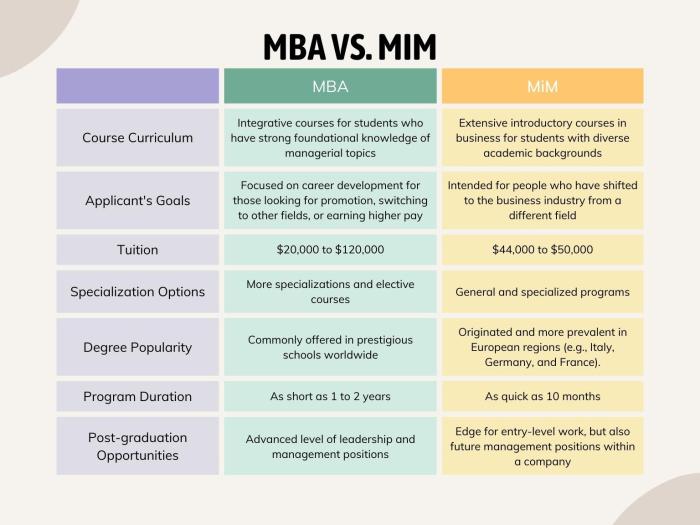
Tuition fees can range widely, often from $20,000 to over $100,000 depending on the institution and program format.
How important are networking opportunities in an MBA?
Networking is crucial in an MBA program as it helps build connections that can lead to job opportunities and collaborations in the future.
Can I specialize in more than one area during my MBA?
Many programs allow students to pursue dual specializations, providing a broader skill set and versatility in career options.